


Transforming Dining Spaces: Trends in Restaurant and Bar Renovations
In the ever-evolving hospitality industry, the ambiance and aesthetics of a restaurant or bar can significantly impact its success. Renovations are not merely about updating a space but about reimagining it to enhance the dining experience, attract a diverse clientele, and stay ahead of the competition. This article explores the latest trends in restaurant and bar renovations, providing insights into creating a captivating and functional dining environment.
1. Sustainable Design
Sustainability is at the forefront of modern renovations. Eco-friendly materials, energy-efficient lighting, and sustainable practices are becoming standard. Reclaimed wood, recycled metal, and locally-sourced materials not only reduce the carbon footprint but also add a unique character to the space. Incorporating green walls, indoor plants, and natural light not only enhances the aesthetics but also promotes a healthier atmosphere for diners.
2. Open Kitchen Concepts
Transparency is key in building trust and engagement with customers. Open kitchen concepts allow diners to witness the culinary process, creating a sense of connection between the kitchen and the dining area. This trend emphasizes the importance of hygiene and quality while adding an element of entertainment. It also encourages chefs to showcase their skills, enhancing the overall dining experience.
3. Technology Integration
Incorporating technology into the dining experience is no longer optional. From digital menus and QR code ordering systems to interactive tables and automated payment systems, technology enhances efficiency and convenience. Smart lighting and climate control systems can adjust the ambiance according to the time of day or event, creating a dynamic and adaptable space.
4. Versatile Seating Arrangements
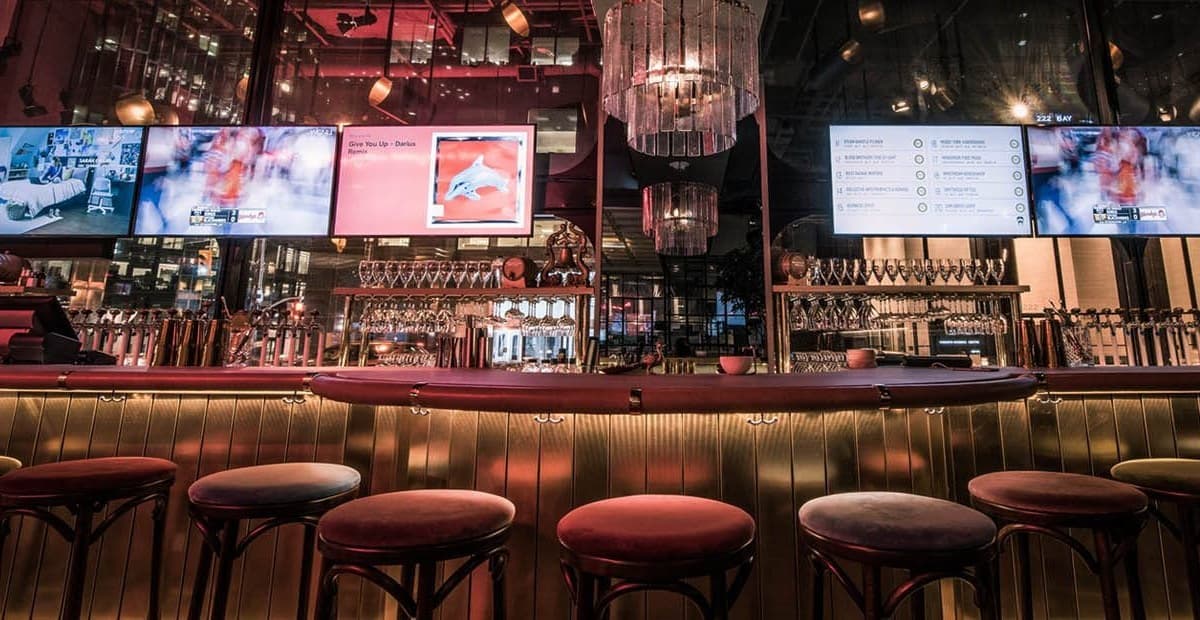
Modern diners seek versatility in their dining experiences. Flexible seating arrangements, including communal tables, private booths, and bar seating, cater to diverse customer preferences. Modular furniture allows for easy reconfiguration to accommodate different group sizes and types of events, making the space more functional and appealing.
5. Bold and Artistic Interiors
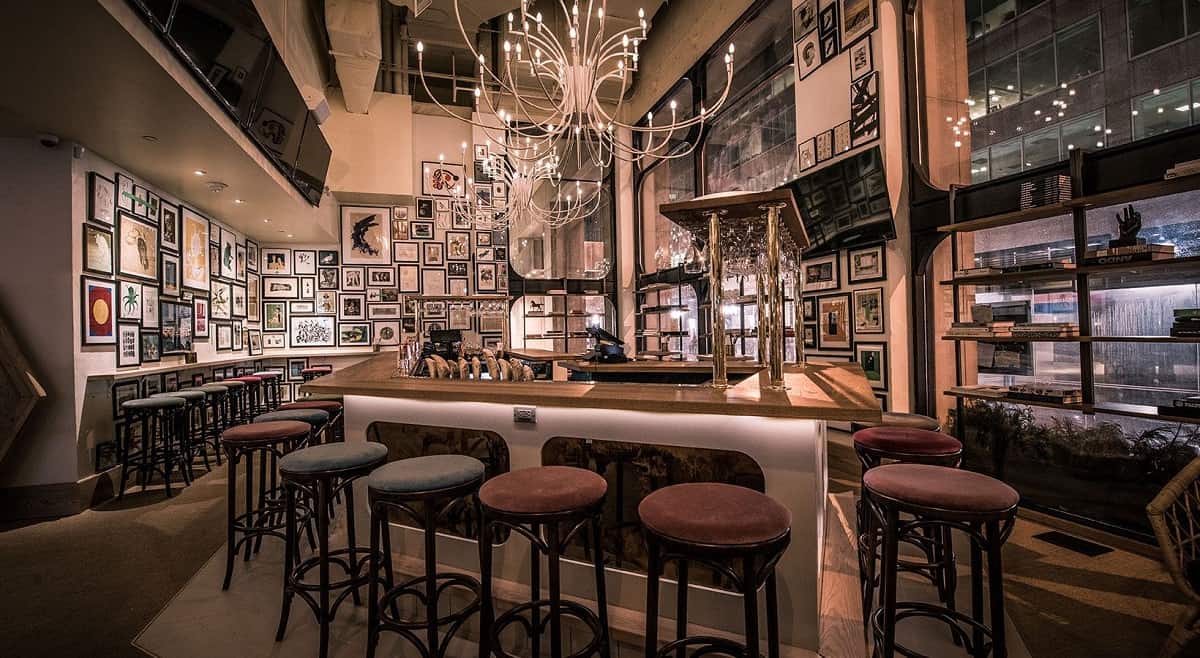
Artistic expression through bold interiors is gaining popularity. Vibrant colors, unique artworks, and custom murals create a memorable and Instagram-worthy environment. This trend encourages collaboration with local artists and designers, infusing the space with a sense of community and creativity. Statement pieces, such as eye-catching light fixtures or sculptural elements, can become focal points, enhancing the visual appeal.
6. Themed and Experiential Design
Creating an immersive experience is crucial in standing out. Themed designs, whether it’s a vintage speakeasy, a tropical oasis, or a modern industrial space, transport customers to a different world. Consistency in decor, lighting, and music enhances the thematic experience. Interactive elements, such as live cooking stations, mixology demonstrations, and themed events, engage customers and encourage repeat visits.
7. Maximizing Outdoor Spaces
Outdoor dining has gained prominence, especially in light of recent global events. Renovating patios, rooftops, and courtyards to create comfortable and inviting outdoor spaces is essential. Weather-resistant furniture, pergolas, and outdoor heaters extend the usability of these areas year-round. Incorporating greenery and ambient lighting enhances the outdoor dining experience, making it a desirable option for diners.
8. Focus on Acoustics
Sound design is often overlooked but plays a crucial role in the dining experience. Proper acoustics can make a space feel more comfortable and enjoyable. Sound-absorbing materials, strategic placement of speakers, and noise-canceling elements ensure that conversations are clear and the atmosphere is pleasant. Balancing background music with the natural buzz of conversation creates an inviting environment.
Conclusion
Renovating a restaurant or bar is a multifaceted endeavor that goes beyond aesthetic upgrades. It requires a thoughtful approach to design, functionality, and customer experience. By embracing sustainable practices, technological advancements, and creative design concepts, restaurateurs can create dynamic spaces that not only attract but also retain customers. As the industry continues to evolve, staying attuned to these trends will be key to transforming dining spaces into thriving hubs of culinary delight and social interaction.